
Blog
As awareness of the environmental and ethical consequences of industrial livestock farms ("factory farms") has become more widespread, more creative methods of enforcing humane and ethical treatment of livestock raised in factory farms have appeared. One such method is the False Claims Act, a federal law that rewards whistleblowers for uncovering fraud on the government. Factory farms may enter into contracts with government agencies or programs to provide food, and these contracts contain provisions mandating that the factory farms comply with certain federal, state, and local laws. If a factory farm fails to comply with these laws, the factory farm may be held liable under the False Claims Act.
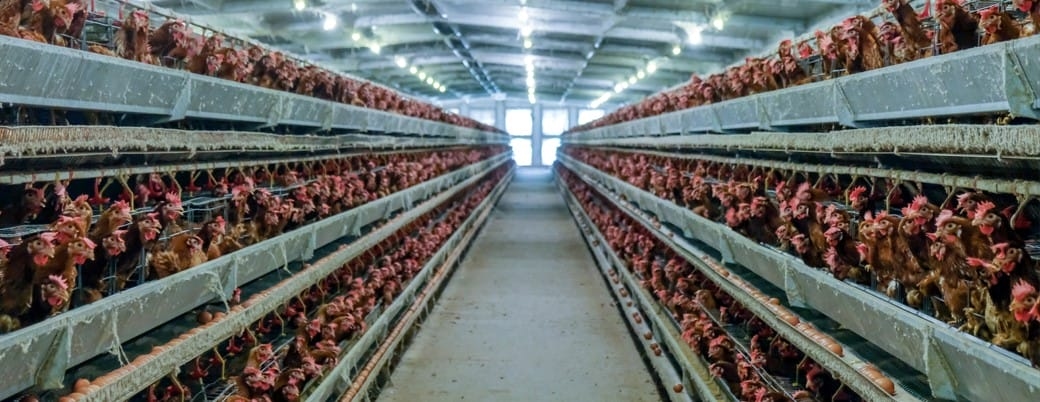
If a factory farm is found liable under the False Claims Act for treating its livestock inhumanely or conducting its operations unethically, the farm must pay triple damages, or "treble damages". Whistleblowers who expose factory farms who falsely profess compliance with these requirements can recover 15 to 30 percent of money recovered by the government in a False Claims Act suit.
False Claims Act Violations for Factory Farms
In order for a factory farm's conduct to give rise to False Claims Act liability, the factory farm must receive money from the government, usually in exchange for livestock products. In addition, the factory farm must falsely certify the factory farm's compliance with applicable laws, regulations, or contractual requirements (“false certification”).

There are numerous laws governing the practices of factory farms in the United States, ranging from the conditions in which animals live, to the kind of medical assistance provided to animals, to the kinds of feed that the animals are given. Compliance with these laws is specified as a condition of payment in government contracts for food products.
The Federal Swine Health Protection Act (SHPA), 7 U.S.C.A. § 3801 et seq., prevents farmers from feeding pigs untreated “garbage,” including feces and meat scraps. SHPA seeks to reduce the transmission of diseases among animals, and from animals to humans. In order to be compliant with SHPA, feed containing garbage must be treated at a facility that is specially certified by the Department of Agriculture.
The Humane Methods of Slaughter Act (HSA), 7 U.S.C. 1901 et seq., requires that all livestock except poultry is completely stunned before slaughter in order to minimize pain. Animals are typically given an electric shock, though other methods are sometimes used.
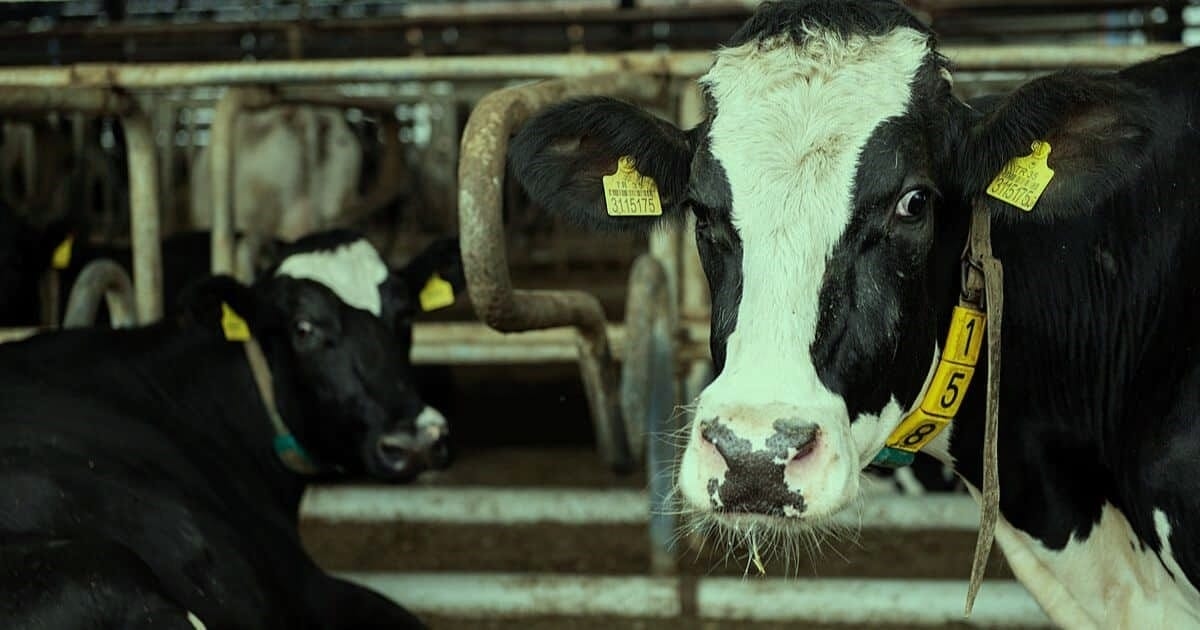
In addition, there are numerous state and local laws which govern the manner in which factory farms treat animals in their facilities. These laws regulate the conditions in which animals in factory farms can be raised, the quality of food they can be fed, the manner in which they are transported, and the manner in which they are slaughtered. Like violations of SHPA and HSA, violation of applicable state laws can also give rise to False Claims Act liability.
Case Studies
- Inhumane Lamb Slaughter at Superior Farms
Following an undercover investigation in 2017, animal rights organization Compassion over Killing filed suit as a qui tam relator against Superior Farms, one of the largest lamb slaughterhouse in the United States. The relator alleged that Superior Farms sold large quantities of meat to the National School Lunch Program and to the United States military which failed to comply with contractual requirements.
Despite certifying otherwise, Superior Farms slaughtered its lambs in an inhumane manner, violating the HSA. Compliance with the HSA is designated as a condition for payment in all food contracts that the National School Lunch Program and the military enter into with livestock farms. The relator alleged that Superior Farms failed to render lambs insensible to pain before slaughtering and that Superior Farms failed to kill the lambs in a simultaneous and instantaneous motion, apparently to maximize the number of pet treats that Superior Farms could create from undamaged lamb esophagus parts. Superior Farms also used excessive force on the lambs during the processing and slaughter processes, which violates the HSA.
In 2019, after the United States partially intervened in the suit with respect to the inhumane slaughter allegations and the HSA, the parties entered into a consent decree to ensure that lambs were insensible to pain when they were slaughtered and that the method of slaughter complied with the HSA. Though the relator did seek monetary damages, the parties entered into a consent decree instead to ensure that Superior Farms' unethical conduct was promptly stopped.
- Inhumane Treatment of Pigs at Holden Farms
In 2021, following a separate undercover investigation, the Animal Legal Defense Fund (ALDF) filed suit as a qui tam relator (TW: this document contains images depicting dead/dismembered animals and animal abuse) against Holden Farms, a factory farm operation that raises pigs for slaughter. This lawsuit was focused on Holden Farms’ inhumane treatment of their pigs while simultaneously certifying compliance with federal and state laws as part of its receipt of a $2.57 million Paycheck Protection Program (PPP) loan. ALDF’s lawsuit was unsealed on June 30, 2023.
Despite Holden Farms' certification otherwise, the relator alleges that Holden Farms conduct violated SHPA and various Minnesota laws governing garbage feeding to and humane treatment of livestock. Relator’s investigation revealed that Holden Farms routinely fed its livestock “slurries” of dead piglet parts and untreated feces, in violation of both SHPA and the Minnesota anti-garbage feeding law. Relator also alleges that Holden Farms neglected pigs suffering catastrophic injuries, allowed pig carcasses to pile up and rot in hallways, failed to prevent employees from engaging in cruel and sadistic treatment of piglets and male pigs, and routinely deprived pigs of food. This conduct allegedly violates the aforementioned federal and state laws and gives rise to False Claims Act liability. This case is ongoing.
“Ag-Gag” Laws: Navigating Anti-Whistleblower Legislation
Before bringing a False Claims Act suit against a factory farm, it is important to be aware of laws that prohibit undercover investigations and related whistleblower activities at factory farms. These laws, known as “Ag-Gag” laws, are passed on a state level and criminalize whistleblowers who use misrepresentations to gain access to a factory farm and/or create a picture or video record of factory farm conduct without the owner of the farm’s consent. Currently, the following states have enforceable Ag-Gag laws:
- Alabama
- Arkansas
- Iowa
- Missouri
- Montana
- North Dakota

Several other states have attempted or proposed Ag-Gag legislation, and some of the laws in other states have been found unconstitutional under the First Amendment. Generally, the anti-retaliation provisions of the False Claims Act and other anti-gag laws—such as the Whistleblower Protection Enhancement Act—protect whistleblowers who investigate and uncover fraud by government contractors, but these protections have seldom if ever been tested against Ag-Gag laws. If you are interested in partaking in an undercover investigation of a factory farm or other agribusiness operation, speak with an attorney first.
What should you do if you encounter a factory farm committing fraud?
Under the False Claims Act, employees or other persons with knowledge who become aware of conduct which violates statutory and/or contractual humane treatment standards and is connected to false claims on the government can file a qui tam lawsuit on behalf of the government to address these practices. Whistleblowers who sue on behalf of the government may receive between 15 to 30 percent of the money recovered by the government if the suit is successful.
The whistleblower attorneys at Goldberg Kohn can help.
If you are aware of false claims being made on the government, call Goldberg Kohn at 312-284-3258 or contact us online. We are always willing to provide you with a free, confidential consultation to discuss a potential case.